২৭ নভেম্বর, ২০২৬
প্রেস বিজ্ঞপ্তি
ভারতের কমিউনিস্ট পার্টি (মার্কসবাদী)-র সাধারণ সম্পাদক এম এ বেবি শ্রমিক কোড এবং শ্রমিকদের সংসদ অভিযান সম্পর্কে আজ প্রধানমন্ত্রীকে একটি চিঠি লিখেছেন। প্রকাশের জন্য আমরা চিঠিটির পূর্ণাঙ্গ বয়ান এখানে প্রকাশ করছি।
শ্রী নরেন্দ্র মোদী
ভারতের প্রধানমন্ত্রী
নয়াদিল্লি
আমি আপনাকে এই চিঠি লিখছি ২০২৬ সালের ২০ নভেম্বর ফিকি-র শতবর্ষ উদ্যাপন অনুষ্ঠানে আপনার ভাষণ মনোযোগ সহকারে শোনার পর। ওই মঞ্চ থেকে আপনি যা বলেছেন, তা এক অর্থে এক অসাধারণ স্বীকারোক্তি। আপনি দেশের শিল্পপতিদের উদ্দেশে প্রশ্ন করেছিলেন, “আপনারা কি আপনাদের কর্মচারীদের বেতন বাড়িয়েছেন? কর্মচারীর সংখ্যা বাড়িয়েছেন? না।” এরপর স্পষ্ট বিরক্তির সঙ্গে আপনি আরও বলেছিলেন, “আপনাদের চাহিদা এতটাই বিপুল যে, যতই দেওয়া হোক না কেন, তা কখনও যথেষ্ট বলে মনে হয় না।” এই কথাগুলি এমন কোনও সরকারের প্রধানের মুখে মানায় না, যে সরকার তার অর্থনৈতিক মডেলের সাফল্য দাবি করে। বরং এই কথাগুলির মধ্য দিয়ে আপনার সরকারের গত বারো বছরের নীতির কেন্দ্রে থাকা বৈপরীত্যটি অবশেষে প্রকাশ পেয়েছে। কিন্তু দুর্ভাগ্যজনকভাবে, দেশের শ্রমজীবী মানুষের স্বার্থে যে একমাত্র সিদ্ধান্তে পৌঁছনো প্রয়োজন, আপনার সরকার তা নিতে অস্বীকার করছে।
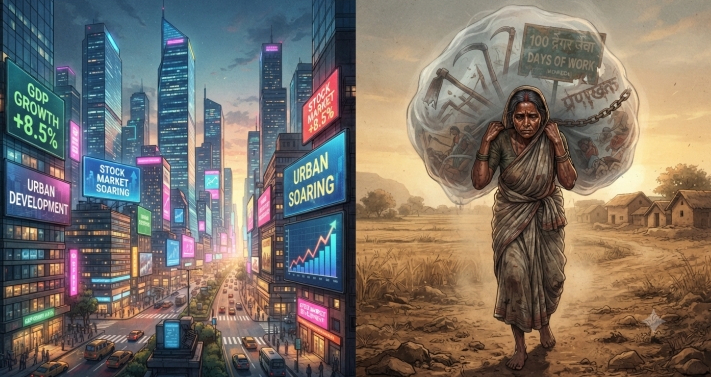
আপনি ঠিকই বলেছেন যে, কর্পোরেট ভারত কর ছাড়ের মাধ্যমে পাওয়া সুবিধার সুফল কর্মচারীদের সঙ্গে ভাগ করে নিতে ব্যর্থ হয়েছে। কর্পোরেট করের মূল হার ৩০ শতাংশ থেকে কমিয়ে ২২ শতাংশ করা হয়েছে, অথচ প্রকৃত মজুরি কমেছে। ২০১৭-১৮ থেকে ২০২৩-২৪ সালের মধ্যে মূল্যবৃদ্ধির প্রভাব সমন্বয় করার পর নিয়মিত বেতনভোগী পুরুষদের প্রকৃত আয় ৬.৪ শতাংশ কমেছে এবং মহিলাদের আয় কমেছে ১২.৫ শতাংশ। অন্যদিকে, কর্পোরেট সংস্থাগুলির মুনাফা বিপুলভাবে বেড়েছে। ২০২০-২১ থেকে ২০২৫-২৬ অর্থবর্ষের মধ্যে নিফটি-৫০০ তালিকাভুক্ত সংস্থাগুলির আয় বার্ষিক চক্রবৃদ্ধি হারে ২৮.৭ শতাংশ বৃদ্ধি পেয়েছে। একই সময়ে অ-আর্থিক কর্পোরেট সংস্থাগুলির মুনাফা ২০২০-২১ অর্থবর্ষের ২.৫ লক্ষ কোটি টাকা থেকে বেড়ে ২০২৪-২৫ অর্থবর্ষে ৭.১ লক্ষ কোটি টাকায় পৌঁছেছে। বর্তমানে ভারতের মোট সম্পদের ৪০ শতাংশের মালিক দেশের শীর্ষ ১ শতাংশ মানুষ। গত বারো বছরে দেশের শীর্ষ ১০ শতাংশ এবং নিম্নতম ৫০ শতাংশ মানুষের মধ্যে আয়ের ব্যবধান আরও বেড়েছে।
এটি 'চুঁইয়ে পড়া উন্নয়ন' (Trickle-down) নীতির এমন কোনও ব্যর্থতা নয়, যা ধনকুবেরদের আরও দেশপ্রেমিক হওয়ার আহ্বান জানিয়ে সংশোধন করা সম্ভব। বরং এটি নয়া উদারবাদী অর্থনৈতিক নীতির একটি কাঠামোগত পরিণতি। এই নীতি ধারাবাহিকভাবে পুঁজির শক্তিকে সুসংহত করেছে এবং শ্রমের দরকষাকষির ক্ষমতাকে দুর্বল করেছে।
এই প্রেক্ষাপটেই চারটি শ্রম কোড—মজুরি কোড, শিল্প সম্পর্ক কোড, সামাজিক সুরক্ষা কোড এবং পেশাগত নিরাপত্তা, স্বাস্থ্য ও কর্মপরিবেশ সংক্রান্ত কোড—বিচার করা প্রয়োজন। ২০২৫ সালের ২১ নভেম্বর ২৯টি প্রচলিত শ্রম আইনকে একত্রিত করে এই চারটি কোড কার্যকর করা হয়েছে। আপনার সরকার এগুলিকে আইন সরলীকরণের পদক্ষেপ এবং শ্রমিকদের জন্য একটি আশীর্বাদ হিসেবে তুলে ধরেছিল। কিন্তু শ্রমিক ও তাঁদের ইউনিয়নগুলির অভিজ্ঞতা সম্পূর্ণ ভিন্ন কথা বলছে। এই কোডগুলির ফলে ছাঁটাই ও কারখানা বন্ধ করার ক্ষেত্রে প্রয়োজনীয় কর্মীসংখ্যার ঊর্ধ্বসীমা বাড়ানো হয়েছে, চুক্তিভিত্তিক শ্রমিক নিয়োগের পরিধি বিস্তৃত হয়েছে, অনুমোদিত কর্মঘণ্টা বৃদ্ধি পেয়েছে এবং ইউনিয়ন গঠন ও যৌথ দরকষাকষির পরিসর সংকুচিত হয়েছে। স্বাধীনতার পর শ্রমিকদের অধিকারের ওপর এটি অন্যতম ভয়াবহ আক্রমণ। এই কোডগুলি মালিকদের ইচ্ছামতো নিয়োগ ও ছাঁটাইয়ের নীতিকে উৎসাহিত করে, চুক্তিভিত্তিক কর্মসংস্থান বাড়ায় এবং ইউনিয়ন গঠনের পরিসর সংকুচিত করে। বিভিন্ন মতাদর্শের ট্রেড ইউনিয়নগুলি এই কোডগুলিকে দীর্ঘ সংগ্রামের মধ্য দিয়ে অর্জিত শ্রমিক অধিকারগুলির ওপর আক্রমণ হিসেবে বর্ণনা করেছে এবং কোডগুলি বিজ্ঞাপিত হওয়ার পর থেকেই প্রতিবাদ জানিয়ে আসছে। শ্রমবাজারকে আরও নমনীয় করার ফল বেশি কর্মসংস্থান নয়, বরং আরও অনিশ্চিত ও নিরাপত্তাহীন কর্মসংস্থান। ভারত-সহ বিশ্বের বিভিন্ন দেশের অভিজ্ঞতা স্পষ্ট করে দিয়েছে যে, শ্রমবাজারে নমনীয়তা আনার ফলে সেই কর্মসংস্থান বৃদ্ধি ঘটেনি, যার প্রতিশ্রুতি এই নীতির প্রবক্তারা দিয়েছিলেন।
বাস্তবে আমাদের দেশে ২০২৬ সালের মার্চ মাসে যুব বেকারত্বের হার ছিল ১৫.২ শতাংশ। জুলাই-সেপ্টেম্বর ত্রৈমাসিকে শহরাঞ্চলের যুবকদের মধ্যে এই হার বেড়ে ১৮.৯ শতাংশে পৌঁছেছে। ভারতের ৬৩.৪ কোটি শ্রমিকের প্রায় ৮৭ শতাংশই এখনও অসংগঠিত ক্ষেত্রে কর্মরত।
ফিকি-র মঞ্চে আপনি বলেছিলেন যে, সরকার ১২ লক্ষ টাকা পর্যন্ত আয়ের ক্ষেত্রে আয়করে ছাড় দিয়েছে। এর বিনিময়ে শিল্পপতিরা কর্মচারীদের বেতন বাড়িয়েছেন কি না, সেই প্রশ্নও আপনি তুলেছিলেন। এই প্রশ্নের যৌক্তিক পরিণতি শিল্পপতিদের কাছে বারবার আবেদন জানানো নয়। বরং সরকারের উচিত পদক্ষেপ গ্রহণ করা, মজুরি নির্ধারণের বিষয়টি নিয়োগকর্তাদের ইচ্ছার ওপর ছেড়ে না রাখা। জীবনযাত্রার ব্যয়ের প্রতিফলন ঘটায়, এমন একটি আইনসম্মত জাতীয় ন্যূনতম মজুরি কার্যকর করা সরকারের দায়িত্ব। ট্রেড ইউনিয়নগুলি মাসিক ৪২,০০০ টাকা ন্যূনতম মজুরি এবং সর্বজনীন ন্যূনতম পেনশনের দাবি জানিয়েছে।
এর অর্থ হল, সরকারি কর্মসংস্থান কর্মসূচিগুলির কার্যকারিতা ও মূল চরিত্র পুনরুদ্ধার করা এবং অঙ্গনওয়াড়ি কর্মী, আশা কর্মী-সহ বিভিন্ন প্রকল্পের কর্মীদের নিয়মিত কর্মচারী হিসেবে স্বীকৃতি দিয়ে তাঁদের আইনসম্মত সুযোগ-সুবিধা নিশ্চিত করা। এর অর্থ হল, এমন কর ছাড় দেওয়া নয়, যার সুফল কর্পোরেট সংস্থাগুলি মুনাফা হিসেবে নিজেদের কাছে জমা করে রাখে; বরং উৎপাদন ও দেশীয় উৎপাদন ক্ষমতা বৃদ্ধির লক্ষ্যে সরকারি বিনিয়োগ করা।
সর্বোপরি, এর অর্থ হল চারটি শ্রম কোড প্রত্যাহার করা। আপনার নিজের কথাতেই যখন স্বীকার করা হচ্ছে যে, কর্পোরেট সংস্থাগুলির চাহিদার কোনও সীমা নেই, তখন মজুরি বৃদ্ধি না হওয়া এবং কর্মসংস্থানহীন বৃদ্ধির সমস্যার সমাধান হিসেবে নিয়োগকর্তাদের শ্রমিকদের সুরক্ষার জন্য নির্ধারিত দায়বদ্ধতা থেকে আরও বেশি স্বাধীনতা দেওয়ার যুক্তি আপনার সরকার দিতে পারে না।
২০১৫ সালের পর থেকে একবারও ভারতীয় শ্রম সম্মেলন আহ্বান না করে, প্রকৃত ত্রিপাক্ষিক আলোচনা ছাড়াই এবং ট্রেড ইউনিয়ন আন্দোলনের ধারাবাহিক বিরোধিতা উপেক্ষা করে এই কোডগুলি প্রণয়ন ও বিজ্ঞাপিত করা হয়েছে। এই কোডগুলি বাতিল করতে হবে। একই সঙ্গে শ্রম প্রতিষ্ঠানগুলিকে শক্তিশালী করা, প্রচলিত মজুরি ও নিরাপত্তা সংক্রান্ত আইনগুলির যথাযথ প্রয়োগ নিশ্চিত করা এবং অর্থনৈতিক নীতি নির্ধারণের ক্ষেত্রে শ্রমিক প্রতিনিধিদের সমান অংশীদার হিসেবে যুক্ত করার দায়িত্ব সরকারকে নিতে হবে।
২০২৬ সালের ১ থেকে ৩ ডিসেম্বর শ্রমিকদের সংসদ অভিযান এমন এক উন্নয়ন মডেলের দাবিতে, যেখানে ভারতের সম্পদ যাঁরা উৎপাদন করেন, তাঁদের একটি ব্যর্থ 'চুঁইয়ে পড়া উন্নয়ন' পরীক্ষার খেসারত বহন করতে হবে না। আমি আপনার কাছে আবেদন জানাচ্ছি, শ্রমিক প্রতিনিধিদের সঙ্গে সাক্ষাৎ করুন, তাঁদের অভিযোগ ও সমস্যার কথা শুনুন এবং তাঁদের মূল দাবিগুলি কার্যকর করুন: শ্রম কোড প্রত্যাহার, মজুরি বৃদ্ধি এবং কর্পোরেট মুনাফার ঊর্ধ্বে মানুষের কল্যাণকে স্থান দেওয়া। একমাত্র এর মাধ্যমেই আপনার কথার আন্তরিকতা প্রমাণিত হবে।
বিনীত,
এম এ বেবি
(সাধারণ সম্পাদক)
.....................................................................................................................................................................................................................................................
November 27, 2026
Press Release
M. A. Baby, General Secretary of the Communist Party of India (Marxist) has written a letter today to the Prime Minister, regarding the Labour Codes and Worker’s March to parliament. We are herewith releasing the text of the letter for publication.
Shri. Narendra Modi
Prime Minister of India
New Delhi
I write to you after listening closely to your address at FICCI’s centenary on 20 November 2026. What you said from that podium was, in its own way, an extraordinary confession. You asked India’s industrialists, “Have you increased the salaries of your employees? Have you increased the number of employees? No.” You then added, with evident frustration, “Your appetite is so enormous that no matter how much you are given, it is never enough”. These are not the words of a leader of the government whose economic model has delivered. They are the words that have finally named the contradiction at the centre of your government’s policy for the last twelve years. However, unfortunately, your government refuses to draw the only conclusion that matters for the working people of this country.
You are right that corporate India has failed to share the gains of the tax concessions it has received. The basic corporate tax rate was cut from 30 per cent to 22 per cent, and yet real wages have fallen. Between 2017-18 and 2023-24, the inflation-adjusted earnings of regular salaried men declined by 6.4 per cent, and women’s earnings fell by 12.5 per cent. Corporate profits, meanwhile, have soared: Nifty-500 companies’ earnings grew at a compounded annual rate of 28.7 per cent between FY20 and FY26, while non-financial corporate profits rose from Rs 2.5 trillion in FY21 to Rs 7.1 trillion in FY25. The top 1 per cent of Indians now hold 40 per cent of the nation’s wealth, and the income gap between the top 10 per cent and the bottom 50 per cent has only further widened in the the past twelve years. This is not a trickle-down failure that can be fixed by exhorting billionaires to be more patriotic. It is a structural outcome of the neoliberal economic policies that have systematically strengthened the hand of Capital while weakening the bargaining power of labour.
It is in this context that the four Labour Codes – the Code on Wages, the Industrial Relations Code, the Code on Social Security, and the Occupational Safety, Health and Working Conditions Code – must be viewed. They came into force on 21 November 2025, consolidating twenty-nine existing laws. Your government presented them as a simplification and a boon for workers. The experience of workers and their unions tells a different story. The Codes have raised the threshold for layoffs and closures, expanded the scope for contract labour, increased permissible working hours, and restricted the space for unionisation and collective bargaining. This is one of the severest attack on workers’ rights since Independence and promotes hire-and-fire policies, contract employment and curtails the scope for unionisation. Trade unions across the spectrum have described them as an assault on hard-won rights and have been protesting since the Codes were notified. When labour markets are made more flexible the result is not more employment, it is more precarious employment. The evidence from India and elsewhere is clear, labour-market flexibility has not generated the employment growth its advocates promised.
In fact, in our country, youth unemployment stood at 15.2 per cent in March 2026 and rose to 18.9 per cent among urban youth in the July-September quarter. Nearly 87 per cent of India’s 63.4 crore workers remain in the informal sector.
You said at FICCI that you have given income-tax relief up to Rs 12 lakh and asked whether industry had raised salaries in return. The logical corollary of that question is not to keep pleading with industry. It is for the government to act, rather than leaving wages to the discretion of employers. The government should ensure the implementation of a statutory national minimum wage that reflects the cost of living – trade unions have demanded Rs 42,000 per month and a universal minimum pension. It means restoring the integrity of public employment programmes and recognising scheme workers like the anganwadi workers, ASHA workers, and others as regular employees with statutory benefits. It means public investment in manufacturing and domestic productive capacity, not tax giveaways whose benefits are hoarded as profits.
Above all, it means withdrawing the four Labour Codes. A government that admits, in its Prime Minister’s own words that corporate appetite is insatiable
cannot credibly claim that the answer to stagnant wages and jobless growth is to give employers even more freedom from the obligations that protect workers. The Codes were drafted and notified without convening the Indian Labour Conference since 2015, without genuine tripartite consultation and against the sustained opposition of the trade union movement. They should be repealed and the government should ensure strengthening labour institutions, enforcing existing wage and safety laws and involving workers’ representatives in economic policy-making as equal partners.
The workers’ March to Parliament from 1 to 3 December 2026 is a demand for a development model in which the people who produce India’s wealth are not left to absorb the costs of a failed trickle-down experiment. I urge you to receive their representatives, listen to their grievances and act on their central demand: withdraw the Labour Codes, raise wages and put people’s welfare before corporate profits. Only this would show the sincerity in your words.
Yours sincerely,
M. A. Baby
(General Secretary)
প্রকাশ: ২৭-নভেম্বর-২০২৬
শেষ এডিট:: 27-Nov-26 15:33 | by 4
Permalink: https://cpimwestbengal.org/letter-to-the-prime-minister
Categories: Press Release
Tags: citu,
,
parliament march